Phase 1:
Birth to 8 Weeks
Relies on mother's milk or high-quality kitten milk replacer. Gradual transition to wet food around 4 weeks.
- Start 75/25 formula to wet food mix.
- Increase wet food over several days.
Ready to be the best kitten parent ever? Get expert tips, product reviews, and essential guides delivered straight to your inbox!
Posted on: 2025-11-24
By: Edyta Drabek
As you embark on the journey of kitten parenting, understanding your little furball's nutritional needs is vital for their growth and health. With the right knowledge, you can ensure your kitten thrives and grows into a happy and playful companion.
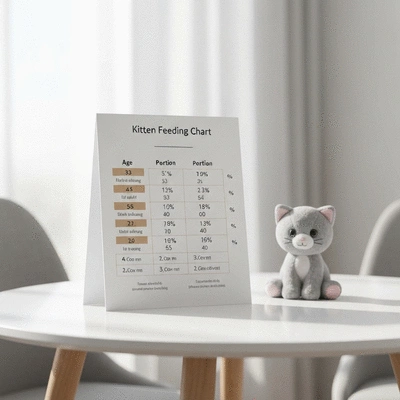
Ensuring your kitten receives the right nutrition at each stage of their development is vital for their health and happiness. The visual below outlines the key feeding guidelines and needs from birth to 12 months.
Relies on mother's milk or high-quality kitten milk replacer. Gradual transition to wet food around 4 weeks.
Frequent meals (4-5 times/day). Focus on kitten-specific wet and dry food options.
Caloric needs increase due to growth spurts and higher activity levels.
Begin gradual transition to adult food around 10-12 months.
As a first-time kitten parent, it’s crucial to understand your little furball's nutritional needs. Proper nutrition is essential for kittens, as it plays a significant role in their growth and development during those vital early months. A well-fed kitten is not only healthier but also more playful and curious, which makes your bonding experience even more enjoyable!
Let's dive into why proper nutrition is essential for your kitten and how you can provide a balanced diet from the moment they arrive at your home!
During their first year, kittens grow rapidly and require a balanced diet rich in key nutrients. This nutritional balance is crucial for their physical development, including bone growth, muscle development, and overall organ function. Providing the right diet from the start helps prevent health issues later on, ensuring a long, happy life for your kitten.
Remember, every meal counts! A balanced diet can contribute to your kitten's energy levels and playful spirit. Who doesn't love a bouncy little furball running around your home?
When selecting food for your kitten, focus on a few essential nutrients:
Each of these nutrients plays a unique role in your kitten's development. Ensuring your kitten receives a diet rich in these key components will lead to better health and vitality. For more detailed information on feline nutrition, you can consult resources like the Cornell Feline Health Center.
During the first few weeks of life, kittens rely on their mother's milk or a high-quality kitten milk replacer if the mother is unavailable. This milk provides essential nutrients needed for their early growth. If you're nurturing a newborn, always choose a formula designed specifically for kittens!
As you prepare to welcome your kitten home, keep in mind the value of transitioning to solid food around the 4-week mark. This gradual introduction lays the foundation for a healthy diet.
When it’s time to transition, you can start introducing wet kitten food alongside the milk replacer. Begin by mixing a small amount of wet food with the formula to help them adjust. Here’s a simple step-by-step approach:
This gradual transition helps avoid digestive upset as they progress to solid foods!
As your kitten grows, they will benefit from both wet and dry food options. Here's a breakdown of what to consider:
Mixing both types can provide your kitten with variety and keep mealtime exciting!
At this stage, your kitten will need more frequent meals—up to four or five times a day! As they grow, keeping an eye on their portion sizes is crucial. Kittens should be fed a diet specially formulated for their growth stage, rich in protein and essential nutrients.
Don’t forget to provide fresh water daily! Hydration is just as important as their food intake.
When it comes to serving sizes, follow the guidelines on your kitten food packaging, as they can vary between brands. Most kittens in this age range should consume:
It’s essential to adjust these amounts based on your kitten's growth and activity level. Regularly monitor their body condition to ensure they are gaining weight at a healthy pace. For more guidance on feeding growing kittens, you can refer to resources from VCA Hospitals.
As you consider your options, it’s important to remember that each food type has its benefits. Wet food is often more appealing, while dry food can help with dental health. Some owners also choose to incorporate raw diets. If you’re considering this route, consult with your veterinarian to ensure proper nutritional balance.
During this growth stage, your kitten's energy levels will soar! As they become more active, their caloric needs will increase. You might find yourself refilling their food bowl more often!
It’s also a good time to observe their eating habits. Kittens should show signs of healthy growth without becoming overweight.
Growth spurts can happen unexpectedly. During these times, you might notice your kitten eating more frequently or becoming a bit more rambunctious! Make adjustments to their diet as needed and ensure they’re receiving the right balance of nutrients.
Check for signs of healthy growth, such as:
Monitoring their body condition score will help you ensure your kitten remains healthy as they grow.
As your kitten approaches their first birthday, you’ll want to start thinking about transitioning to adult food. This transition can take place around 10-12 months of age. Gradually mix in adult food with their current kitten food to help them adjust.
Remember, not all kittens are the same, and some may require more time to adjust than others!
When making the switch, the process should be gradual. Start with a 75/25 ratio of kitten food to adult food, then slowly increase the adult food over a week or two. This allows your kitten's digestive system to adapt comfortably.
If you have a large breed kitten or a rescue with specific dietary needs, consult with your veterinarian for tailored advice. They can guide you in choosing the best food options to support your kitten’s unique growth requirements.
To help you navigate your kitten’s nutritional needs, consider utilizing a feeding chart that outlines food types and amounts based on age and weight. This will be a handy tool in ensuring you’re meeting their dietary requirements!
Feeding charts can simplify your kitten's meal planning. Look for charts that offer specific guidance on the amount of food to provide based on their age and weight.
Keep an eye out for signs of malnutrition or overfeeding, such as:
Behavioral changes can also indicate potential nutritional issues. If you notice these signs, consult your veterinarian to evaluate your kitten's diet and overall health.
Lastly, proper hydration is just as important as nutrition. Make sure your kitten always has access to fresh water. Consider meal timing as well; feeding at consistent times can help establish a routine, making it easier for both you and your furry friend!
To ensure your kitten receives the best nutrition possible, always check for the AAFCO statement on the pet food packaging. This ensures that the food meets the nutritional standards set for kittens. A high-quality diet is essential not just for growth but also for your kitten’s long-term health!
As a first-time kitten parent, you might be thinking, "What are the most important points I need to remember about my kitten's nutrition?" At Kittie Care Central, we emphasize understanding the nutritional guidelines set by AAFCO to ensure your furry friend receives the best start in life. Here’s a quick recap of those essential guidelines!
These guidelines are designed to promote optimal health and development during your kitten's critical growth phases. Remember, adjusting their diet as they grow is key to ensuring they thrive! For comprehensive guidelines, refer to the AAHA-AAFP Feline Life Stage Guidelines on nutrition and weight for kittens.
It's completely normal to have questions as you navigate your kitten's nutritional needs. If you ever feel uncertain about your kitten’s diet, I encourage you to reach out to your veterinarian. They can provide personalized recommendations based on your kitten's health, age, and breed. Here are a few specific situations when you should consider getting professional advice:
Ultimately, consulting your vet ensures that you’re on the right track with your kitten’s nutrition, helping you to make informed choices that enhance their well-being.
Keeping an eye on your kitten's growth can be an exciting journey! To assist you, I recommend utilizing interactive tools, such as growth charts. These tools help you track weight gain, measurements, and overall development milestones. Here are some helpful features of these tools:
Being proactive about monitoring your kitten’s growth not only helps you stay informed, but it also strengthens your bond as you celebrate each milestone together!
Are you excited about sharing your experiences as a new kitten parent? Engaging with other kitten owners can provide valuable insights and support. I encourage you to join our Kittie Care Central community where you can:
Your personal stories and insights can make a difference for someone else on the same journey! Remember, sharing is caring, and together we can foster a nurturing environment for all our furry friends!
Here is a quick recap of the important points discussed in the article: